At a glance
The cost in numbers
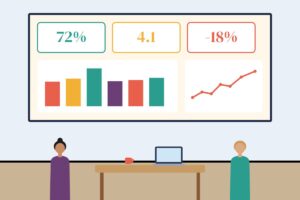
Estimated yearly worldwide cost of pointless meetings, as calculated by the scheduling company Doodle for 2019.
Doodle, 2019Average time per week that surveyed professionals said they spent in pointless meetings.
Doodle, 2019Share of professionals who named unnecessary meetings as the biggest cost to their organisation.
Doodle, 2019Weekly unproductive meeting time for individual contributors in 2024, up from 1.7 hours in 2019.
Atlassian, 2024*Why meeting costs are so easy to miss
Most organisations track what they spend on rent, software, and travel. Very few track what they spend on meetings, even though meetings can be one of the largest uses of paid time. The reason is simple: the cost is spread thinly across many people and many calendars, and it never arrives as a bill.
Meetings also come with costs beyond the hour itself. People spend time preparing, travelling or joining, recovering their focus afterwards, and following up. One industry roundup estimates that coordinating meetings, such as scheduling, rescheduling, and chasing missing attendees, takes around three hours a week per person.
A simple way to price a meeting
You do not need complicated software. Multiply the number of people by the average hourly cost of their time, then by the length of the meeting in hours. A one-hour meeting with eight people at an average of 40 per hour costs 320, and if it repeats every week, the yearly cost is well into five figures. Try your own numbers below.
The hidden costs
Doodle’s 2019 research asked professionals how poorly organised meetings affect them. Many pointed to confusion when a meeting ends without clear actions, reduced ability to get their own work done, and damage to client relationships. These costs rarely appear in a spreadsheet, but they add up in missed deadlines, duplicated effort, and frustration.
Where the money goes
- Too many people. Many respondents said meetings with too many attendees waste an organisation’s resources, and about a third said they could not contribute to most of the meetings they attended.
- Missing people. A similar share said meetings where key people are absent are a significant waste, because decisions cannot be made.
- No clear purpose. Meetings without an agenda tend to run long and end without decisions.
- Habit. Recurring meetings often continue long after the reason for them has gone.
How to get more value for the money
- Write the purpose of the meeting in one sentence before inviting anyone.
- Invite only the people who need to decide or contribute, and share notes with the rest.
- Make 25 or 50 minutes the default instead of 30 or 60.
- Send an agenda in advance and end with clear owners and deadlines.
- Review recurring meetings every few months and cancel those that no longer earn their place.
- Use a short written update when no discussion is needed.
The other side of the ledger
None of this means meetings are bad. A good meeting can save days of back-and-forth, align a team in an hour, and build the trust that makes everything else faster. The goal is not fewer meetings at any price. It is meetings that are worth what they cost.
Read more about why meetings still matter and the personal impact they have on the people attending.
Join the conversation
Have a meeting story to share?
Tell us about the best (or worst) meeting you have been to. We would love to hear from you.