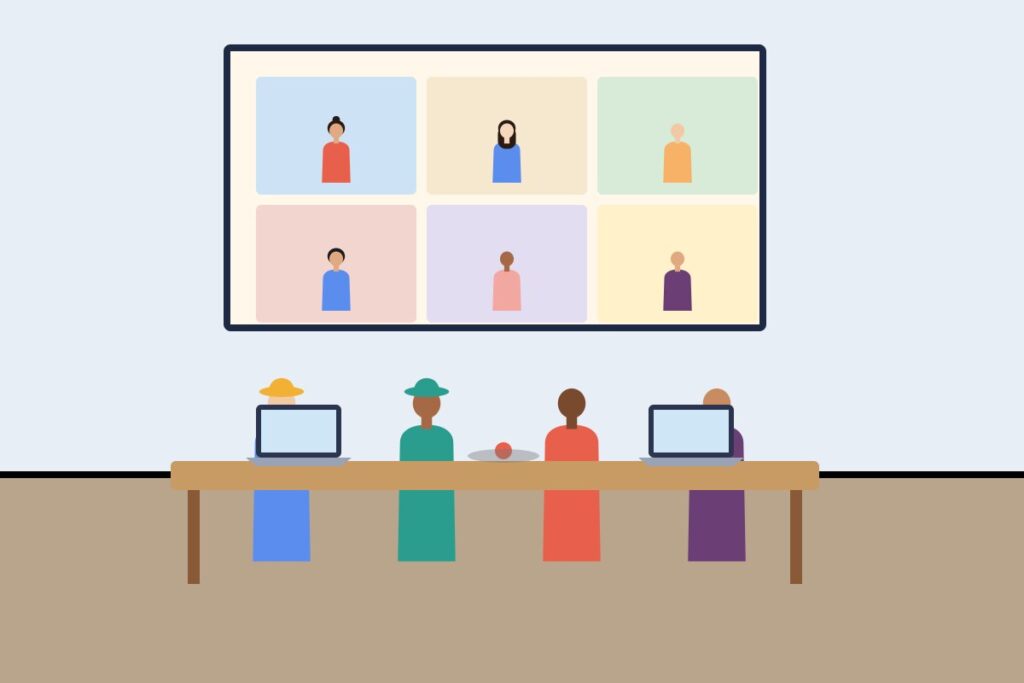
Hybrid meetings are now a normal part of working life, but they bring a particular challenge. Those in the room share jokes, read body language, and chat before and after. Those on screen often struggle to be heard, miss side comments, and can feel like spectators. A hybrid meeting is only as good as its experience for the person with the weakest connection to it.
Start with a simple principle
Design the meeting for the remote participants first. If it works well for them, it will almost always work well for everyone. This means thinking about audio, visibility, and participation from the start rather than as an afterthought.
Get the setup right
- Use a good microphone and speaker in the room so remote voices are clear.
- Position the camera so remote participants can see faces, not just the back of heads.
- Test the technology before the meeting begins.
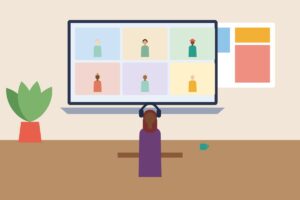
- Display remote participants on a screen at eye level where the room can see them.
- Share documents digitally so everyone sees the same thing.
Facilitate with intention
The facilitator has a special role in hybrid meetings. Begin by checking that everyone can hear and see. Invite remote participants to speak first, or at regular intervals, because it is easy for the room to dominate. When someone in the room speaks, make sure their words are repeated or summarised if the audio is poor.
Use a shared space for contributions
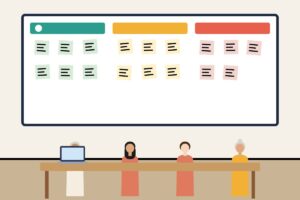
A shared document, a digital whiteboard, or the chat window gives everyone an equal way to contribute. Encourage people to add comments there, and have someone monitor the chat and bring questions into the conversation.
Mind the side conversations
In-room banter is part of what makes meetings feel human, but it can leave remote colleagues out. Keep side conversations to a minimum during the formal part of the meeting, and encourage warm-up chat that includes everyone.
Consider the one-person-one-screen approach
When most participants are remote, it can be fairer for everyone, including those in the office, to join on their own device. This removes the divide between room and screen and gives everyone an identical experience.
Ask for feedback
The best way to find out whether a hybrid meeting works is to ask the people on the other end. Check in with remote colleagues regularly and adjust your approach.
Fair hybrid meetings take a little more effort, but they build a stronger, more inclusive team. Pick one change from this list and try it in your next meeting.