The first meeting of a project does more than announce a start date. It is where people form their first impressions of the goals, the team, and the way you will work together. A weak kickoff leaves people unsure of their roles and the expectations. A strong one gives everyone a shared picture and the confidence to begin. Here is how to build the second kind.
Prepare the essentials
Before the meeting, write a short project brief covering the purpose, the desired outcomes, the scope, the timeline, and the key risks. Share it in advance so that the meeting can focus on discussion and questions rather than reading aloud.
A kickoff agenda that works
- Why this project matters (10 minutes): connect the work to the organisation’s goals.
- What success looks like (10 minutes): define measurable outcomes and what is out of scope.
- Roles and responsibilities (10 minutes): who does what, and who decides.
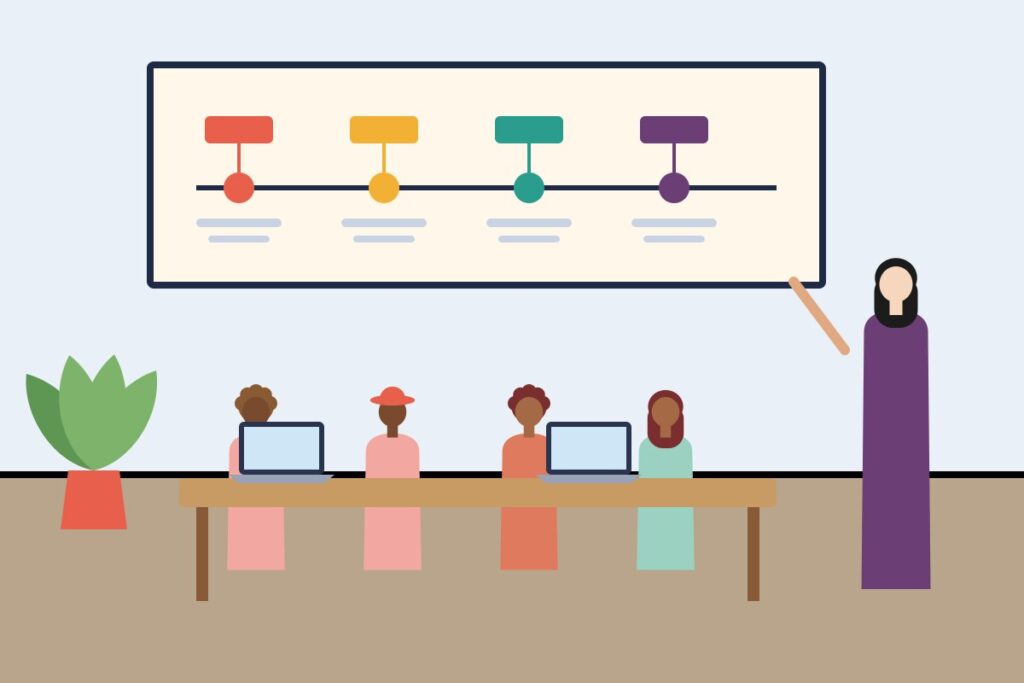
- Timeline and milestones (10 minutes): key dates and dependencies.
- Ways of working (10 minutes): communication, meetings, tools, and check-ins.
- Questions and concerns (10 minutes): an open floor to surface worries early.
Make people feel part of it
Begin with brief introductions, especially if team members have not worked together before. Invite everyone to share what they bring to the project or what they are looking forward to. People who feel heard on day one are more engaged throughout.
Be honest about risks
Do not hide the challenges. Asking, “What could go wrong?” in the kickoff invites people to share concerns while there is still time to plan around them. It builds trust and shows that you value candour.
Agree how you will communicate
Clarify how often the team will meet, where updates will be shared, and how decisions will be made. Unclear communication is one of the most common reasons projects drift. A simple agreement at the start can prevent confusion later.
End with clear next steps
Close with the first actions, owners, and dates, and send a summary the same day, including the project brief, the roadmap, and the contact list.
A well-run kickoff is an investment that pays back throughout the project. Take time to get it right, and the rest of the work will flow more smoothly.