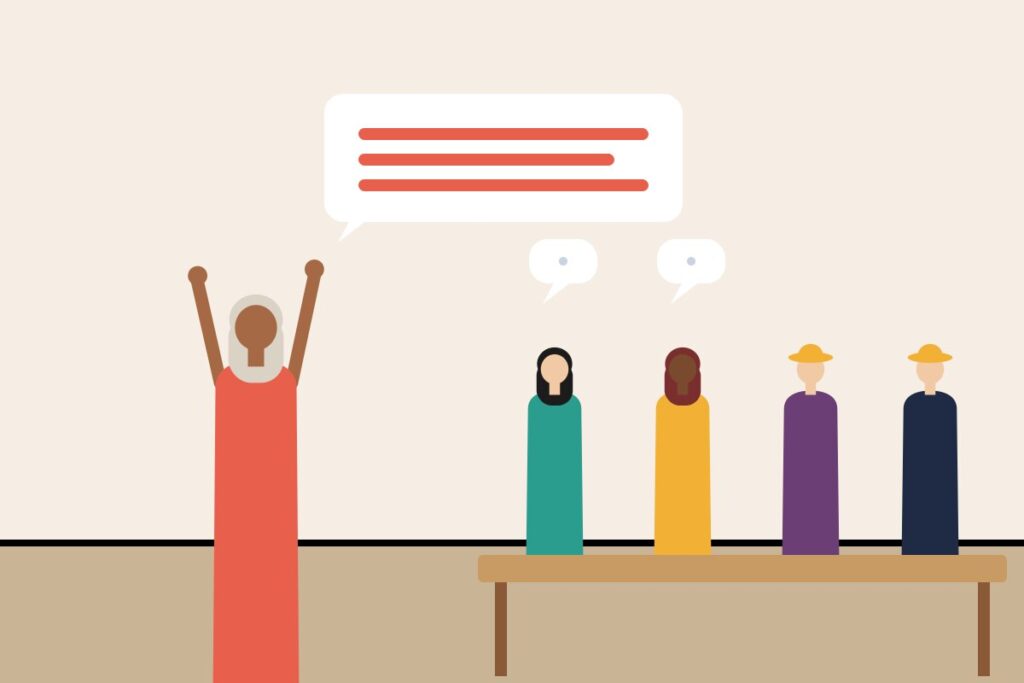
In many meetings, a small number of people do most of the talking. Sometimes this is because they are confident or enthusiastic; sometimes it is habit or seniority. Whatever the reason, the effect is the same: other voices go unheard, and the group loses ideas. Facilitators and participants alike can help restore balance, and it does not require confrontation.
Set expectations up front
At the start of the meeting, say that you would like to hear from everyone. You might suggest a guideline such as, “Let’s make sure we hear from each person before we hear twice from anyone.” Framing it as a shared aim makes it feel inclusive rather than corrective.
Use structure to level the field
- Begin with a round where each person gives a short view.
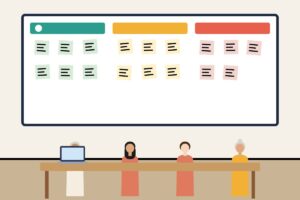
- Ask people to write ideas before discussing them.
- Use small groups or pairs for part of the conversation.
- Invite specific people by name, in a friendly way: “Priya, what is your view?”
- Use the chat or a shared document for those who prefer to write.
Redirect politely
When someone has been speaking for a while, you can thank them and move on: “Thanks, that’s helpful. Let me bring in a few other voices.” Summarise their point so they feel heard, then invite others. Most people respond well when they know their contribution has been acknowledged.
Talk to them privately
If the pattern continues, a quiet word after the meeting can help. Appreciate their energy and expertise, and ask for their support in drawing out others. Many dominant speakers are happy to adjust when asked kindly.
Support quieter people
Some team members are thoughtful but reluctant to speak. Share the agenda in advance so they can prepare, give them time to think, and follow up afterwards to invite their input. A comment such as, “I’d love to hear your thoughts on this,” can make a difference.
Watch yourself
If you are a frequent speaker, practise leaving space. Count to five before adding a comment, and ask a question instead of making a statement.
Balanced conversations lead to better decisions. Pick one technique and try it at your next meeting.