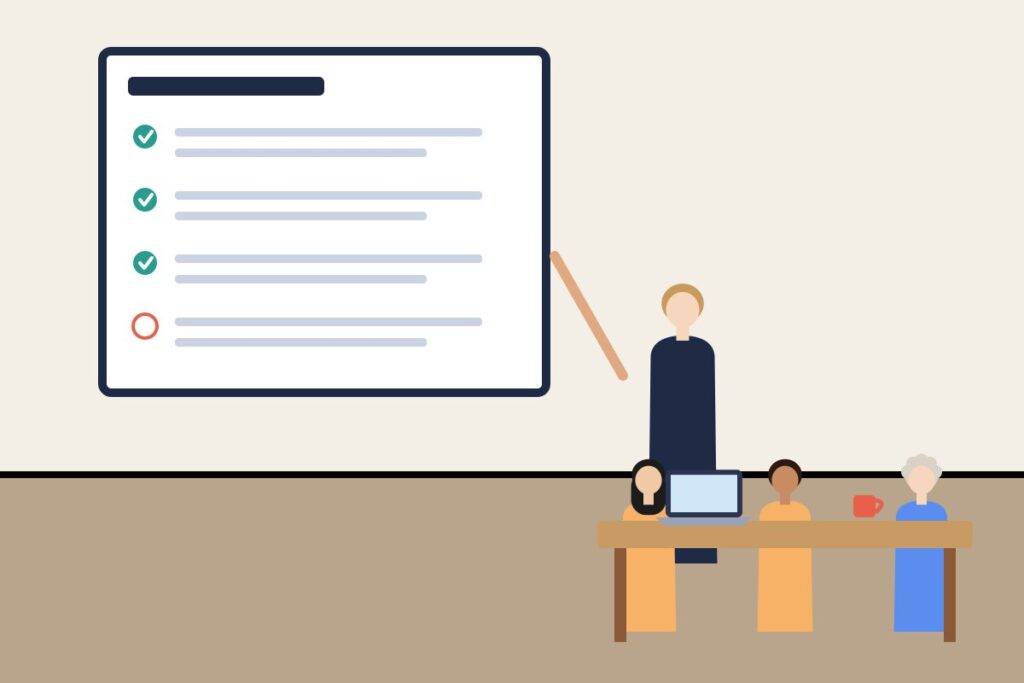
If you could improve only one thing about your meetings, make it the agenda. A clear agenda tells people why they are there, helps them prepare, and gives the facilitator a way to steer the conversation back on track. Yet many meetings still start with no agenda at all, or with a vague list that no one reads. A well-written agenda takes ten minutes and can save hours.
Start with the outcome, not the topics
Instead of listing subjects, begin by stating what you want to achieve. “Decide the launch date” is more useful than “Launch discussion”. When people know the desired outcome, they can come ready with the right information and opinions, and the meeting has a clear finish line.
Structure each item
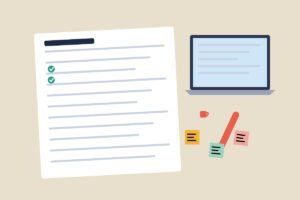
- The topic or question: phrased as clearly as possible.
- The goal: inform, discuss, or decide.
- The owner: who will introduce the item.
- The time: how many minutes it deserves.
Giving each item a time limit is one of the most powerful habits you can adopt. It forces prioritisation, and it makes it easier to say, “Let’s take this offline,” when a topic runs over.
Put the important things first
Place the most important or difficult item early in the meeting, when energy and attention are highest. Leave routine updates for later or send them in writing beforehand. Many meetings fail because the key decision is squeezed into the last five minutes.
Share it early
Send the agenda at least a day before, along with any documents people should read. A short note such as, “Please review the attached proposal before we meet,” makes a big difference. If people arrive prepared, the meeting can start with discussion rather than explanation.
Use it in the room
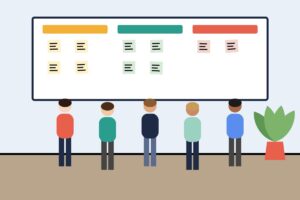
Display the agenda at the start and refer to it during the meeting. Tick items off as you go. If a new topic comes up that is not on the list, note it in a “parking lot” and decide at the end whether to schedule a separate conversation.
Invite input
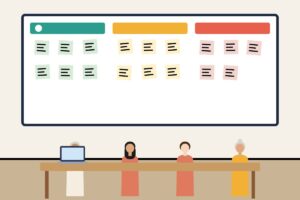
An agenda does not have to come from one person. Let participants add items in advance in a shared document. It encourages ownership and surfaces issues you might have missed.
A good agenda respects everyone’s time. Write the next one before you send the invitation, and watch how the meeting changes.